How to Buy Crypto With a Debit Card (Step by Step)
A debit card is the fastest way for most beginners to make their first crypto purchase — funds clear instantly and the process feels like any online checkout. This guide walks through how it works, the fees you should expect, and the safety steps that actually matter.
The 20-second version
Pick a reputable, regulated exchange, complete identity checks, add your debit card, and buy. Card purchases are instant but usually cost more in fees than a bank transfer. Move anything you want to keep into your own wallet.
How card purchases work
When you buy crypto with a debit card, the exchange charges your card just like an online shop would, then credits the coins to your account — usually within seconds. It's the most beginner-friendly route, which is why nearly every major platform offers it.
The convenience comes at a price. Card payments carry higher processing fees than a bank transfer, and some banks treat crypto buys as a 'cash advance' or block them entirely. Check your bank's policy before you start.
Buying step by step
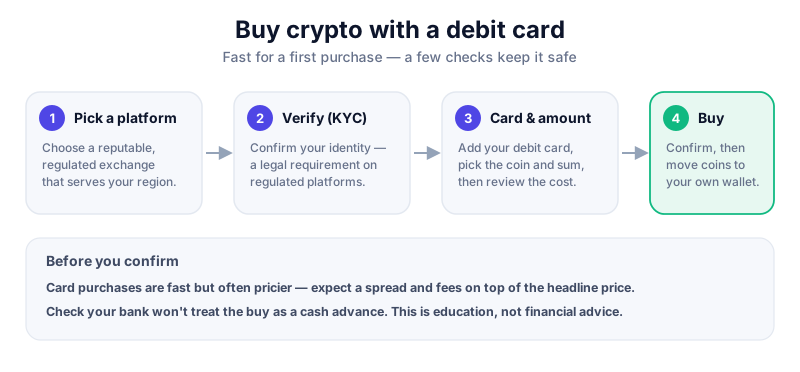
- Choose a reputable, regulated exchange. Larger platforms like Coinbase, Kraken or Binance support cards in many regions — check availability where you live.
- Create your account and complete identity verification (KYC). This is a legal requirement on regulated platforms; see KYC vs no-KYC explained.
- Add your debit card and confirm any small verification charge your bank may apply.
- Choose your coin and amount, then review the full cost — the card fee and spread are often shown separately from the headline price.
- Confirm the purchase, then move anything you intend to keep into your own wallet rather than leaving it on the exchange.
Coinbase is one of the most widely used regulated exchanges for first-time buyers. Compare it with others in our reviews before you sign up.
Fees and safety checks
- Card fee: typically higher than bank-transfer fees — read the cost breakdown before confirming.
- The spread: the gap between buy and sell price is a hidden cost on top of any visible fee.
- Bank blocks: some banks decline or flag crypto card payments; a transfer may be your only option.
- Self-custody: the exchange holds your keys until you withdraw — learn how to store crypto safely.
Only risk what you can afford to lose
Crypto prices are highly volatile and can fall sharply. Never borrow to buy, and never put in more than you could comfortably lose. This guide is education, not financial advice.
Key takeaways
- A debit card is the fastest way to make a first crypto purchase.
- Card fees are usually higher than a bank transfer's — check the breakdown.
- Some banks block crypto card payments, so have a backup method.
- Move coins you want to keep into your own wallet after buying.
Frequently asked questions
Is buying crypto with a debit card safe?
On a reputable, regulated exchange, yes — the payment uses the same security as any card checkout. The bigger risks are choosing an unregulated platform and leaving coins on the exchange long-term.
Why is my bank blocking the purchase?
Some banks restrict or flag crypto transactions for fraud-prevention reasons. Contact your bank, or use a bank transfer instead.
Can I use a credit card instead?
Sometimes, but we'd steer clear — credit-card crypto buys often count as cash advances with extra fees and interest, and buying volatile assets with borrowed money is risky.
Keep reading
How to Buy Bitcoin Safely (Step by Step)
A careful, beginner-friendly walk-through of buying Bitcoin on a regulated exchange — verifying your account,
How to Buy Crypto With a Bank Transfer
How to fund a crypto exchange by bank transfer: the steps, the fees, how long it takes, and why it's often the
KYC vs No-KYC Explained
What KYC means on a crypto exchange, why it exists, and the honest trade-offs of KYC versus no-KYC platforms —