How to Mint an NFT (Step by Step)
Minting an NFT means publishing a file as a unique token on a blockchain so it can be owned and traded. The process is more approachable than it sounds. This guide walks through it step by step, explains the costs, and flags the mistakes that catch first-timers out.
The 20-second version
To mint an NFT you set up a Web3 wallet, fund it with a little crypto for fees, upload your file to a marketplace or minting tool, add details, and confirm the transaction. The token is then recorded on-chain under your wallet's control.
What you need before you start
Minting is the act of writing your token onto a blockchain for the first time. Before you begin, you need three things: a file you have the rights to, a self-custody wallet, and a small amount of the chain's native coin to cover fees.
- The work — an image, video, audio file or other asset you created or legally own.
- A Web3 wallet — such as MetaMask for Ethereum-based chains or Phantom for Solana.
- A little crypto — to pay network gas fees when the token is created.
Choosing a blockchain
Different blockchains have very different fees and audiences. Ethereum has the largest market but can have high gas fees during busy periods. Solana and various Ethereum 'layer-2' networks are typically much cheaper. Pick based on where your audience is and what you can afford in fees.
Look for 'lazy minting'
Some platforms offer lazy minting, where the token isn't written on-chain until it sells — so the buyer pays the gas, not you. It's a low-cost way to list work without paying upfront.
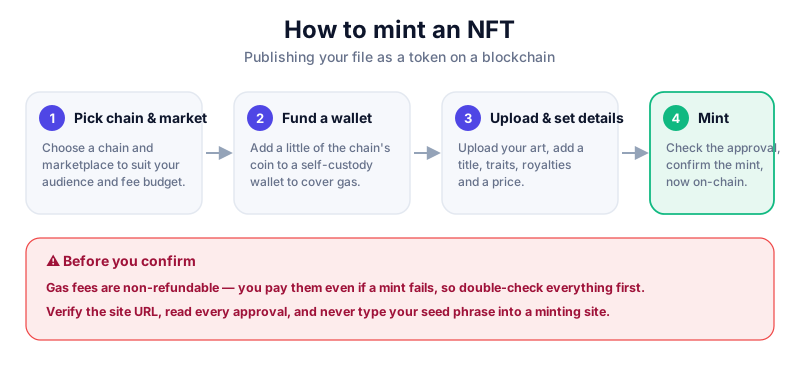
How to mint, step by step
- Set up a self-custody wallet and back up your seed phrase on paper. Never type it into any minting site.
- Add a small amount of the chain's coin (e.g. ETH or SOL) to cover fees.
- Go to a reputable marketplace or minting tool and connect your wallet — double-check the URL is official.
- Upload your file and fill in the title, description and any traits or properties.
- Set creator royalties if you want a share of future resales, and choose a fixed price or auction.
- Review the smart-contract approval carefully, then confirm and pay the gas fee to mint.
MetaMask is the most widely supported wallet for minting on Ethereum and its layer-2s. It's free and self-custody — read our wallet guides so you understand what you're signing.
Common mistakes to avoid
- Minting work you don't own the rights to — copyright still applies on-chain.
- Typing your seed phrase into a 'verification' pop-up. No legitimate site needs it.
- Blindly approving signature requests; malicious ones can drain a wallet.
- Forgetting that gas fees are non-refundable even if a mint fails.
Minting is not a money-maker
Most minted NFTs never sell, and the market is highly speculative and volatile. Treat minting as publishing creative work, not as an investment. Only spend on fees what you can afford to lose. This is education, not financial advice.
Key takeaways
- Minting writes your file onto a blockchain as a unique, ownable token.
- You need a self-custody wallet and a little crypto for gas fees.
- Cheaper chains and 'lazy minting' reduce or defer upfront costs.
- Never share your seed phrase, and read every approval before confirming.
Frequently asked questions
How much does it cost to mint an NFT?
It varies hugely. On Ethereum, gas fees can range from a few dollars to much more when the network is busy; on cheaper chains like Solana it can be cents. Lazy minting can defer the cost to the buyer entirely.
Do I keep the copyright to my work after minting?
Minting doesn't transfer copyright by itself — you generally keep your rights unless you explicitly assign them. But never mint work you don't own, as on-chain records don't override copyright law.
Can I mint an NFT for free?
Sometimes. Lazy minting and certain low-fee chains let you list with little or no upfront cost, though a fee is usually paid by someone when the token is finally written on-chain.
Keep reading
What Is an NFT Marketplace? A Beginner's Guide
A plain-English guide to NFT marketplaces: what they are, how buying and selling works, the main platforms, fe
What Are NFT Royalties? How Creator Resale Fees Work
A clear guide to NFT royalties: how creators earn from resales, why they're not always enforced, and what buye
NFT Scams Explained: How to Spot and Avoid Them
The most common NFT scams — fake mints, wallet-draining approvals, phishing, rug pulls and counterfeits — and