What Is Stablecoin Yield? Earning on Dollar-Pegged Crypto
Stablecoin yield is the interest you can earn by putting dollar-pegged crypto like a stablecoin to work. Because the coin's price barely moves, it can feel like a safe place to earn. But the yield comes from somewhere — and understanding where is the difference between an informed choice and a costly surprise.
The 20-second version
Stablecoin yield is interest earned by lending out or deploying dollar-pegged coins in DeFi. The stable price removes most volatility, but not the risk: the yield depends on borrowers paying back, protocols not being hacked, and the stablecoin holding its peg. Higher advertised yields almost always mean higher risk.
Stable price, not stable risk
A stablecoin can still break
Stablecoins are designed to hold a $1 peg, but they can and have de-pegged. On top of that, yield exposes you to smart-contract bugs and borrower defaults. A 'stable' yield is not a savings account and is not insured. Only deposit what you can afford to lose. This is education, not financial advice.
What is stablecoin yield?
A stablecoin is a crypto token designed to track a stable value, usually the US dollar. Stablecoin yield is the return you earn by deploying those coins somewhere that pays interest — most often a DeFi lending market or a vault.
The appeal is straightforward: you can earn a return without riding the price swings of Bitcoin or Ether. But 'low volatility' is not the same as 'low risk', and the source of the yield matters enormously.
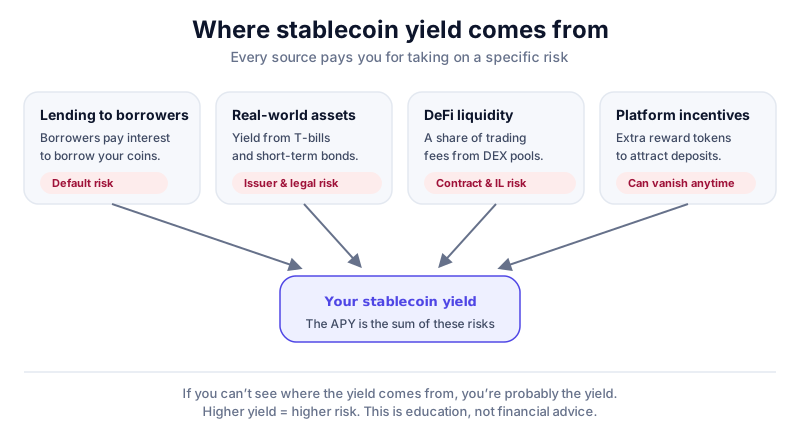
Where the yield actually comes from
Legitimate stablecoin yield is paid by real economic activity. The most common sources are:
- Lending — you supply stablecoins to a money market and borrowers pay interest to borrow them.
- Liquidity provision — you add stablecoins to a DEX pool and earn a share of trading fees.
- Tokenised real-world assets — yield passed through from RWAs such as short-term government bonds.
- Protocol incentives — extra reward tokens emitted to attract deposits, which can be unsustainable.
If you can't explain the yield, don't trust it
A clear, modest yield from lending or fees is normal. A very high 'guaranteed' yield with no explained source is a classic warning sign. Always ask: who is paying this, and why? Then read how to avoid crypto scams.
The risks behind the APY
- De-peg risk — the stablecoin itself can lose its $1 peg, especially algorithmic ones with a history of collapse.
- Smart-contract risk — the lending protocol or vault can be exploited and drained.
- Counterparty / borrower risk — borrowers can default, or a centralised issuer can freeze or fail.
- Variable rates — advertised APY is not fixed; it moves with supply and demand and can drop sharply.
Protect your funds by sticking to reputable, audited protocols and well-established stablecoins, connecting through a hardware wallet, and never sharing your seed phrase with anyone. Whatever you connect to, sign carefully: an air-gapped wallet like the Keystone shows you the full transaction on its own screen before anything leaves your hands.
Key takeaways
- Stablecoin yield is interest earned by deploying dollar-pegged coins in DeFi.
- A stable price reduces volatility but does not remove risk.
- Real yield comes from lending, trading fees or tokenised assets — know the source.
- De-peg, smart-contract and borrower risks all apply; treat very high yields as a red flag.
Frequently asked questions
Is stablecoin yield safer than other crypto yield?
It avoids most price volatility, which is one risk down. But you still face smart-contract, borrower and de-peg risk. It is not a guaranteed or insured return like a bank savings account.
Why do some platforms offer much higher stablecoin yields?
Usually because they take more risk, rely on unsustainable token incentives, or aren't transparent about the source. A yield far above the market average is a reason to be cautious, not excited.
Can a stablecoin really lose its value?
Yes. Stablecoins aim to hold a peg, but several — particularly algorithmic ones — have de-pegged or collapsed. Even asset-backed stablecoins depend on the issuer's reserves being real and accessible.
Keep reading
What Is a DeFi Vault? Automated Yield Explained
A beginner-friendly guide to DeFi vaults: how automated yield strategies work, what 'auto-compounding' means,
What Are Real-World Assets (RWA) in Crypto?
A clear guide to real-world assets (RWAs): how tokenising bonds, real estate and gold works on-chain, why it's
What Is a Stablecoin? How the Peg Works (and Fails)
A clear guide to stablecoins: how they aim to hold a steady value, the different types, and the very real peg