Crypto in Nigeria: Adoption, Rules and How It Works
Nigeria is one of the most active crypto markets on earth — driven by a young, online population, a volatile naira, and a thriving peer-to-peer trading scene. This guide explains how crypto is actually used in Nigeria, how the rules have shifted, and how to stay safe. It's general education, not financial or legal advice.
The 20-second version
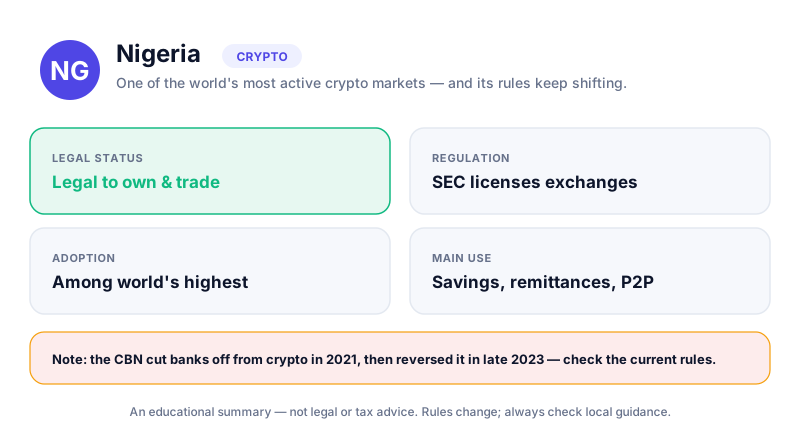
Nigerians use crypto heavily for savings, remittances and P2P trading. The Central Bank once cut banks off from crypto firms, then reversed course in late 2023, and the SEC now licenses exchanges. Rules keep changing — always check the current position before you act.
Why crypto is so popular in Nigeria
Nigeria consistently ranks near the top of global crypto-adoption surveys, and the reasons are practical rather than speculative. A large, young, mobile-first population sits alongside a currency that has lost significant value against the dollar, so many people turn to Bitcoin and stablecoins as a way to preserve savings and move money.
- Remittances — sending money home is cheaper and faster than some traditional channels.
- Dollar access — stablecoins offer a way to hold value pegged to the US dollar.
- P2P trading — peer-to-peer marketplaces let people buy and sell directly when bank access is limited.
The rules: from a ban to licensing
Nigeria's regulatory story has been a rollercoaster. In February 2021 the Central Bank of Nigeria (CBN) ordered banks to stop servicing crypto businesses. Trading didn't stop — it largely moved to peer-to-peer channels. In December 2023 the CBN reversed that directive and issued guidelines for banks to operate accounts for licensed Virtual Asset Service Providers.
Separately, the Securities and Exchange Commission (SEC) has been building a registration regime for digital-asset exchanges. The direction of travel is toward regulated, licensed platforms rather than an outright ban — but specifics and timelines change.
Rules change fast here
Nigeria's crypto position has shifted several times in just a few years. Treat any rule you read — including this guide — as a snapshot. Check the CBN and SEC's current statements before relying on them.
How Nigerians actually use crypto
Most everyday use runs through exchanges and P2P platforms. Stablecoins like USDT are widely used as a dollar proxy, while Bitcoin is held both as savings and for cross-border transfers. Self-custody is growing as people learn that leaving funds on a platform is not the same as owning them.
If you hold more than pocket money, learning how to store crypto safely and what a seed phrase is matters far more than picking the 'right' coin.
Staying safe
High adoption attracts fraud. Nigeria has seen its share of Ponzi-style 'investment' schemes and impersonation scams promising guaranteed returns. No legitimate platform guarantees profit, and nobody legitimate will ever ask for your seed phrase.
Volatility and risk
Crypto prices swing wildly and you can lose money. Only ever put in what you can afford to lose, and never borrow to buy. This is education, not financial advice — see how to avoid crypto scams.
Key takeaways
- Nigeria is a top global market, driven by remittances, savings and P2P trading.
- The CBN banned bank-crypto links in 2021, then reversed it in late 2023.
- The SEC is moving toward licensing exchanges rather than banning crypto.
- Rules change often — verify the current position and never share a seed phrase.
Frequently asked questions
Is crypto legal in Nigeria?
Owning and trading crypto is not banned. After a period when banks couldn't service crypto firms, the CBN reversed that in December 2023, and the SEC is building a licensing regime. Always check the current rules, as they have changed repeatedly.
Why do Nigerians use stablecoins so much?
Stablecoins like USDT track the US dollar, so they offer a way to hold dollar-pegged value and send money without a traditional bank. See what is a stablecoin.
How can I avoid crypto scams in Nigeria?
Be wary of anything promising guaranteed returns, never share your seed phrase, and use reputable, licensed platforms. Our scam guide covers the warning signs.
Keep reading
Crypto in Brazil: Adoption, the Legal Framework and Pix
How cryptocurrency works in Brazil — Latin America's biggest market. The 2022 legal framework, the central ban
Crypto in the UAE: Dubai, VARA and a Pro-Crypto Hub
How cryptocurrency works in the United Arab Emirates — Dubai's VARA regulator, free zones, the tax picture, an
What Is a Stablecoin? How the Peg Works (and Fails)
A clear guide to stablecoins: how they aim to hold a steady value, the different types, and the very real peg